

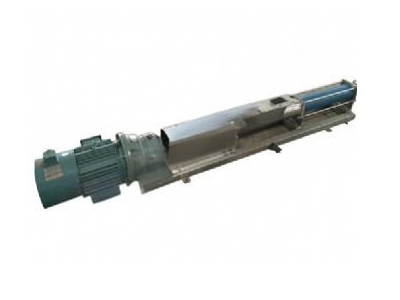
Stainless steel screw pumps play a critical role in modern offshore drilling operations.
In fixed platforms, jack-up rigs, semi-submersibles, and FPSOs, stainless steel screw pumps
handle everything from drilling mud circulation and crude oil transfer to produced water
treatment and chemical injection. This comprehensive guide explores the benefits, design
features, technical specifications, and common applications of stainless steel screw pumps
in offshore drilling environments.
A stainless steel screw pump is a positive displacement pump that uses one or more
intermeshing screws to move fluid along the pump axis. The pumping elements and
wetted components are manufactured from stainless steel, improving resistance to
corrosion, erosion, and aggressive chemicals commonly found in offshore drilling
and production systems.
In offshore drilling applications, stainless steel screw pumps are used to move
viscous, abrasive, or multiphase fluids at relatively constant flow and low pulsation.
They are suitable for handling drilling fluids, slurries, emulsions, hydrocarbons,
produced water, and various process chemicals under high pressure and in harsh marine
environments.
The operating principle of a stainless steel screw pump is based on the rotation
of one or more screws within a precisely machined casing:
Stainless steel construction does not change the basic hydraulic principle, but it enhances durability
and reliability when the pump is exposed to seawater, CO2, H2S, and other corrosive
components typical of offshore drilling fluids and production streams.
Several screw pump configurations are commonly used in offshore drilling and production systems:
Single-screw pumps (progressive cavity style) – Often called progressive cavity
pumps, they use a single helical rotor running in a stator. When made from stainless steel,
these pumps can handle viscous drilling muds, cuttings slurry, and sensitive fluids.
Twin-screw pumps – Two intermeshing screws convey fluid with excellent suction
performance and the ability to handle multiphase flows (gas–liquid mixtures). Stainless steel
twin-screw pumps are frequently used for crude oil transfer, loading, offloading, and booster service.
Three-screw pumps – One driving screw and two idler screws form sealed chambers.
These are widely used in lubrication oil systems, hydraulic systems, and fuel oil systems on offshore
platforms, especially when corrosion-resistant stainless steel is required.
In all these designs, the use of stainless steel as the primary material significantly improves
performance in offshore drilling environments, where seawater spray, salt-laden atmosphere,
and chemically aggressive media are constant challenges.
Offshore drilling platforms operate in some of the most demanding conditions in the energy industry.
Pumps are continuously exposed to saltwater, high humidity, variable temperatures, aggressive drilling
fluids, and often sour hydrocarbons. For this reason, stainless steel has become a key material
for screw pumps used on offshore rigs, FPSOs, and subsea systems.
Stainless steel grades used for offshore screw pumps typically contain chrome, molybdenum,
and sometimes additional alloying elements that improve pitting and crevice corrosion resistance.
This is essential when the pump is in contact with:
By using stainless steel for the housing, screws, shafts, and other wetted parts, the screw pump
maintains structural integrity and dimensional stability over long operating periods, reducing
unplanned downtime and maintenance frequency.
Different stainless steel grades are selected according to the fluid composition, operating pressure,
and temperature range in offshore drilling applications. The table below summarizes commonly
used stainless steels for screw pumps in offshore service.
| Stainless Steel Grade | Typical Use in Screw Pumps | Key Properties for Offshore Drilling |
|---|---|---|
| 304 / 304L | Casing and non-critical wetted parts for clean, mildly corrosive fluids | Good general corrosion resistance, economical, suitable for less aggressive media |
| 316 / 316L | Screws, housings, and shafts for seawater, drilling mud, and produced water | Improved pitting and crevice corrosion resistance due to molybdenum; widely used offshore |
| Duplex (e.g., 2205) | High-pressure components, subsea screw pumps, sour service | Higher strength, excellent chloride stress corrosion cracking resistance, good fatigue resistance |
| Super Duplex (e.g., 2507) | Severe seawater service, high chloride produced water, highly corrosive drilling brines | Very high pitting resistance equivalent number (PREN), suitable for harsh saltwater environments |
| Super Austenitic (e.g., 904L, 6Mo) | Specialized chemical injection, high-temperature corrosive media | High nickel and molybdenum content, superior resistance to localized corrosion and acids |
Selecting the correct stainless steel grade is essential for reliable screw pump performance in offshore
drilling, where the cost of failure is extremely high and maintenance access can be limited.
Offshore drilling operators increasingly specify stainless steel screw pumps because they combine
mechanical reliability, hydraulic efficiency, and material durability. Below are the main advantages
that make stainless steel screw pumps particularly attractive for offshore drilling and production systems.
Reliability is critical on any offshore drilling rig, where pump failure can impact drilling progress,
safety, and environmental protection. Stainless steel screw pumps contribute to high reliability through:
Screw pumps deliver almost pulsation-free flow, which is extremely beneficial for offshore drilling systems:
Using stainless steel maintains this smooth performance over time, because internal wear caused by
corrosion and erosion is minimized, preserving the precise screw geometry.
Offshore drilling processes involve a wide range of fluid types, from light condensate and diesel fuel
to heavy crude oils, synthetic-based muds, water–oil emulsions, and solids-laden produced water.
Stainless steel screw pumps are well-suited to these challenging media:
Energy efficiency is increasingly important in offshore drilling, where power generation capacity
is limited and fuel costs are high. Stainless steel screw pumps support energy-efficient operation by:
Lower maintenance frequency, fewer unplanned shutdowns, and extended service intervals translate
into reduced total cost of ownership, even though the initial investment in stainless steel
screw pumps can be higher than alternative materials.
Safety and environmental compliance are core requirements for any offshore drilling operation.
Stainless steel screw pumps support these objectives in several ways:
Stainless steel screw pumps are strategically deployed across multiple systems on offshore drilling units,
production platforms, and floating production storage and offloading vessels (FPSOs). Their robust
design and corrosion resistance make them particularly valuable where downtime and leakage are unacceptable.
During offshore drilling, drilling mud (also known as drilling fluid) is circulated downhole to
transport cuttings, control formation pressure, and cool the drill bit. Stainless steel screw pumps
can be used in:
The ability of stainless steel screw pumps to handle viscous, abrasive, and chemically treated drilling
fluids under continuous operation makes them attractive in these services, particularly when conventional
materials are prone to rapid corrosion.
After hydrocarbons are produced from subsea wells, they must be transported from the wellhead or
subsea manifolds to offshore processing units, storage tanks, or export pipelines. Stainless steel
twin-screw and three-screw pumps are often used for:
Stainless steel construction helps combat the corrosive action of sour crude with CO2 and
H2S, especially when combined with appropriate material selection for gaskets, seals, and coatings.
Produced water is a complex mixture of formation water, injection water, and process chemicals.
It is often highly saline with significant oil content and dissolved gases. Offshore facilities use
stainless steel screw pumps in:
The combination of high chloride content, variable temperature, and entrained solids calls for
stainless steel grades with excellent pitting corrosion resistance, ensuring dependable service
in produced water handling.
Offshore drilling and production systems rely on precise injection of various chemicals, including:
Stainless steel screw pumps, particularly in smaller sizes, are used for accurate dosing and
injection of these chemicals under high pressures. The corrosion resistance of stainless steel
ensures compatibility with aggressive chemical mixtures and extended service life.
Offshore drilling rigs and production platforms operate numerous rotating machines, gearboxes,
and hydraulic power units. Stainless steel three-screw pumps are widely used in:
Even though lubrication and hydraulic fluids are typically less corrosive than drilling mud or
produced water, the offshore environment still exposes pumps to seawater spray and humidity,
making stainless steel casings and components highly beneficial.
When selecting screw pumps for offshore drilling applications, engineers look for specific
design features that support reliable and safe operation in harsh marine conditions.
Stainless steel screw pumps can incorporate a broad range of configuration options tailored
to offshore requirements.
Seal selection is crucial for stainless steel screw pumps in offshore drilling. Common options include:
Stainless steel pump housings and seal chambers provide a stable, corrosion-resistant environment
that extends the life of seals and reduces risk of leakage.
Offshore stainless steel screw pumps are typically engineered with:
The bearing housings and supports are often made from corrosion-resistant materials or coated
to withstand marine atmosphere and occasional seawater exposure.
Many offshore drilling and production screw pumps are designed to meet or align with
recognized industry standards, such as:
While specific reference to individual company certifications is not made here,
compliance with recognized global standards is a common requirement for offshore
stainless steel screw pumps.
Even with corrosion-resistant stainless steel, additional protection is often applied:
These treatments complement the inherent corrosion resistance of stainless steel and
help ensure long-term performance in offshore drilling environments.
Technical specifications for stainless steel screw pumps can vary widely depending on application,
but certain parameter ranges are commonly encountered in offshore drilling and production services.
The following table presents indicative ranges only; actual values depend on pump size, configuration,
and system design.
| Parameter | Typical Range for Offshore Stainless Steel Screw Pumps | Comments |
|---|---|---|
| Flow Rate | From a few L/h up to 1,000+ m3/h | Small dosing pumps for chemical injection; large transfer pumps for crude or produced water |
| Discharge Pressure | Up to 100+ bar (1,450+ psi) for many designs | High-pressure versions can exceed this, especially for injection duties |
| Viscosity Range | 1 cSt to 100,000+ cSt | Capability to handle low-viscosity condensate and high-viscosity heavy oil or drilling mud |
| Operating Temperature | -20 °C to 180 °C or higher | Depends on seal design, elastomers, and selected stainless steel grade |
| Materials of Construction | 304/304L, 316/316L, Duplex, Super Duplex, Super Austenitic | Selected according to fluid composition, chloride content, and sour service requirements |
| Screw Configuration | Single, twin, or three-screw | Chosen based on fluid type (clean, dirty, multiphase), required flow and pressure |
| Drive Type | Direct-coupled motor, gear motor, or variable speed drive | Variable speed often preferred for process flexibility and energy efficiency |
| Seal Arrangement | Single mechanical, double mechanical, packing, or magnetic coupling | Determined by leakage tolerance, safety, and environmental considerations |
| Installation Orientation | Horizontal or vertical | Vertical designs can save deck space; horizontal designs are common for ease of maintenance |
These indicative specifications demonstrate the versatility of stainless steel screw pumps
in offshore drilling applications, from small precision dosing pumps to large crude oil transfer units.
When specifying stainless steel screw pumps for offshore drilling projects, engineers and
procurement teams evaluate multiple technical and operational factors to ensure correct sizing
and configuration.
Understanding the pumped media is fundamental to proper pump selection:
These factors influence the choice of screw type, material grade, seal type, and drive configuration
for the stainless steel screw pump.
Stainless steel screw pump performance depends on the overall hydraulic and mechanical conditions
in the offshore drilling system:
Selecting the correct stainless steel grade and ancillary materials is essential to avoid
premature corrosion or mechanical failure:
Offshore platforms often have limited space, and maintenance tasks must be performed quickly
and safely. This makes certain design aspects of stainless steel screw pumps particularly important:
In offshore drilling, several pump technologies are used side by side. The choice between
stainless steel screw pumps and other pump types depends on process requirements and fluid characteristics.
The following table provides a simplified comparison highlighting where stainless steel screw pumps
can offer clear advantages.
| Feature / Requirement | Stainless Steel Screw Pump | Centrifugal Pump | Reciprocating Plunger Pump |
|---|---|---|---|
| Flow Pulsation | Very low, near constant | Low to moderate, depending on design | High without dampeners |
| Viscosity Handling | Excellent for medium to high viscosity | Best for low viscosity | Good, but often more complex to operate |
| Corrosion Resistance | High with proper stainless steel selection | Variable; often requires coatings or alloys | High if built from corrosion-resistant alloys |
| Multiphase Capability | Good with twin-screw design | Limited; prone to cavitation | Limited; gas presence affects performance |
| Maintenance Complexity | Moderate; fewer wear parts than reciprocating | Low; simple design | High; many components and seals |
| Footprint | Compact relative to capacity | Compact | Larger for equivalent duty |
| Energy Efficiency at High Viscosity | Very good | Reduces significantly | Good |
| Suitability for Offshore Drilling Fluids | Highly suitable, especially in stainless steel | Suitable mainly for clean, low-viscosity fluids | Used for very high-pressure injection and specialized duties |
This comparison illustrates why stainless steel screw pumps are often preferred for viscous,
corrosive, or multiphase services in offshore drilling, while centrifugal and reciprocating
pumps continue to be used for other specific roles.
Proper installation and operation are essential to realize the full benefits of stainless steel
screw pumps in offshore drilling applications. Although exact procedures depend on project and
equipment details, several general best practices apply.
To maintain reliable screw pump performance, offshore piping systems should:
Offshore platforms can experience movement, vibration, and structural flexing. For stainless steel screw pumps:
Correct operating procedures help prevent damage and extend pump life:
Maintenance planning is crucial for offshore drilling operations, where access is limited and
downtime is expensive. Stainless steel screw pumps are generally low-maintenance, but structured
preventive programs further enhance reliability.
Typical routine maintenance tasks for offshore stainless steel screw pumps include:
Modern offshore facilities often integrate stainless steel screw pumps into digital monitoring systems:
Combining stainless steel construction with predictive maintenance techniques
helps operators extend pump life and schedule interventions during planned drilling or production shutdowns.
Environmental regulations governing offshore drilling and production are becoming more stringent worldwide.
Stainless steel screw pumps support compliance with these regulations by:
Regulatory frameworks often require thorough documentation of material selection,
corrosion protection strategies, and mechanical integrity programs. Incorporating stainless steel
screw pumps into offshore systems is a recognized way to enhance long-term integrity and reduce
environmental risk.
As offshore drilling projects move into deeper water and more challenging reservoirs,
stainless steel screw pump technology continues to evolve.
Subsea processing and boosting require highly reliable, corrosion-resistant pump systems.
Stainless steel, duplex, and super duplex screw pumps are increasingly used in:
The offshore industry is actively exploring:
These advancements promise longer lifetimes and greater reliability for stainless steel screw
pumps in future offshore developments.
Integrating stainless steel screw pumps into digital platforms allows:
Stainless steel screw pumps combine positive displacement performance with high corrosion resistance,
making them exceptionally well-suited to the demanding conditions of offshore drilling and production.
Key advantages include:
By selecting appropriate stainless steel grades, screw configurations, seal systems,
and control strategies, offshore engineers can deploy stainless steel screw pumps that
deliver reliable, efficient, and environmentally responsible performance throughout the
life of an offshore drilling or production asset.
```

Copyright ? Jiangsu Longjie Pump Manufacturing Co., Ltd.



 Phone
Phone
Comment
(0)